Rap song structure is simply the order you arrange your sections in — intro, hook, verse, bridge, outro — plus how many bars each one runs. Learn how to build a rap song structure and you stop having a folder full of good bars that never become a song. The whole process takes about an hour of planning before you record a single take.
Most beginners I talk to can already write sixteen bars. What they cannot do is decide what goes before those bars, what goes after them, and how long the whole thing should run. That is a planning problem, not a talent problem, and it is what this guide breaks down into eight steps you can follow tonight.
As of 2026, the arrangement most rappers land on still hasn’t changed much: intro, hook, verse, hook, verse, hook, outro. Everything else is a variation on that. We will get into the variations, but first the basics.
What You Need
You need very little to start. Here is the honest list.
- One core idea. A sentence you could say out loud about what the song is actually about.
- Two or three reference tracks. Songs that already do what you want done, so you can hear the arrangement instead of guessing at it.
- A beat, or a DAW to make one. A full beginner setup runs on a laptop and a USB microphone — you can start with royalty-free loops and a drum kit and build from there.
- A bar counter. Your DAW almost certainly has one built in. If you are using a phone, count the snare hits out loud and mark every fourth one.
- A rough tempo range. Somewhere around 80-100 BPM for something bouncey, 130-150 BPM for a fast trap bounce, or 60-90 BPM for a slow, heavy cut.
That is the whole shopping list. Skip the gear upgrade until the song is finished, because a new plugin will not fix a structure that does not work.
How to Build a Rap Song Structure Step by Step
Define the Core Idea and Emotional Direction
Write your song’s subject in one sentence before anything else. “A letter to my older brother about the year he left” is a song. “Something about success” is not.
Then pick the emotion and the listener. Angry and aimed at someone who will recognize themselves is a different record than sad and aimed at a late-night drive. Every section you write later has to serve that one decision, so if you cannot state it, you will drift.
You will know it is working when you can describe what changes by the last hook compared to the first one. If nothing changes, you have a chorus on loop, not a song.
Choose a Suitable Tempo and Beat Direction
Test tempos against the words, not in the abstract. Hum your hook at a few speeds and see which one lets you land the ending without rushing. Most hooks I write land easier when I slow the project down by 10-15 BPM from where I started.
Listen for three things in a beat: the drum pattern, whether the bass moves or sits still, and whether there is an obvious moment where the energy shifts. That last one is your hook slot. A beat that never changes gives you nowhere to put contrast, so keep looking.
Half-time beats, where the snare hits once every two beats, usually need slower delivery with more space between phrases. Full-time beats let you pack more syllables into the same sixteen bars. Get that right and half your writing problems disappear.
Map the Song’s Main Sections
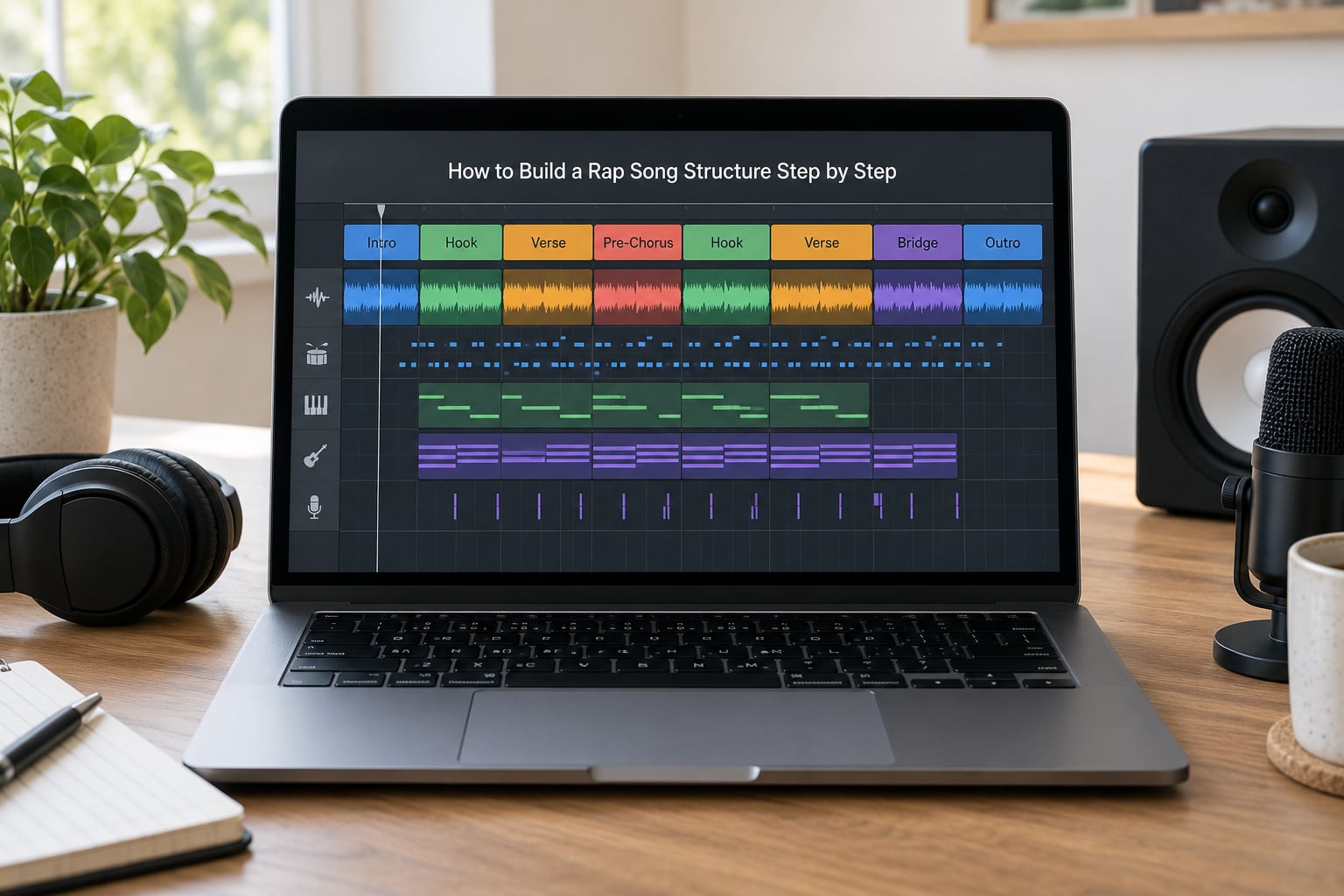
This is the part that makes the difference. Copy this template and change the numbers to suit your song:
INTRO          4-8 bars
HOOK           8 bars
VERSE 1       12-16 bars
HOOK           8 bars
VERSE 2       12-16 bars
HOOK           8 bars
BRIDGE         4-8 bars
HOOK           8 bars
OUTRO          4-8 bars
That is your minimum viable structure, and it is enough to finish a real first song. Most rap singles now run two to three minutes, so two verses with four hooks sits comfortably in that window. A third verse adds about fifteen seconds and works when you have something genuinely new to say in it.
Bar counts are just a unit of measurement. If you understand that one bar is four beats and 16 bars is roughly a minute, you can translate any of this to any tempo.
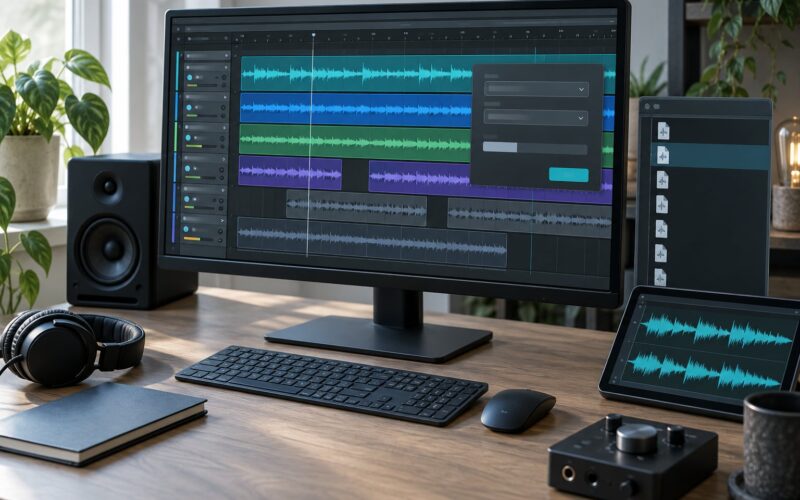
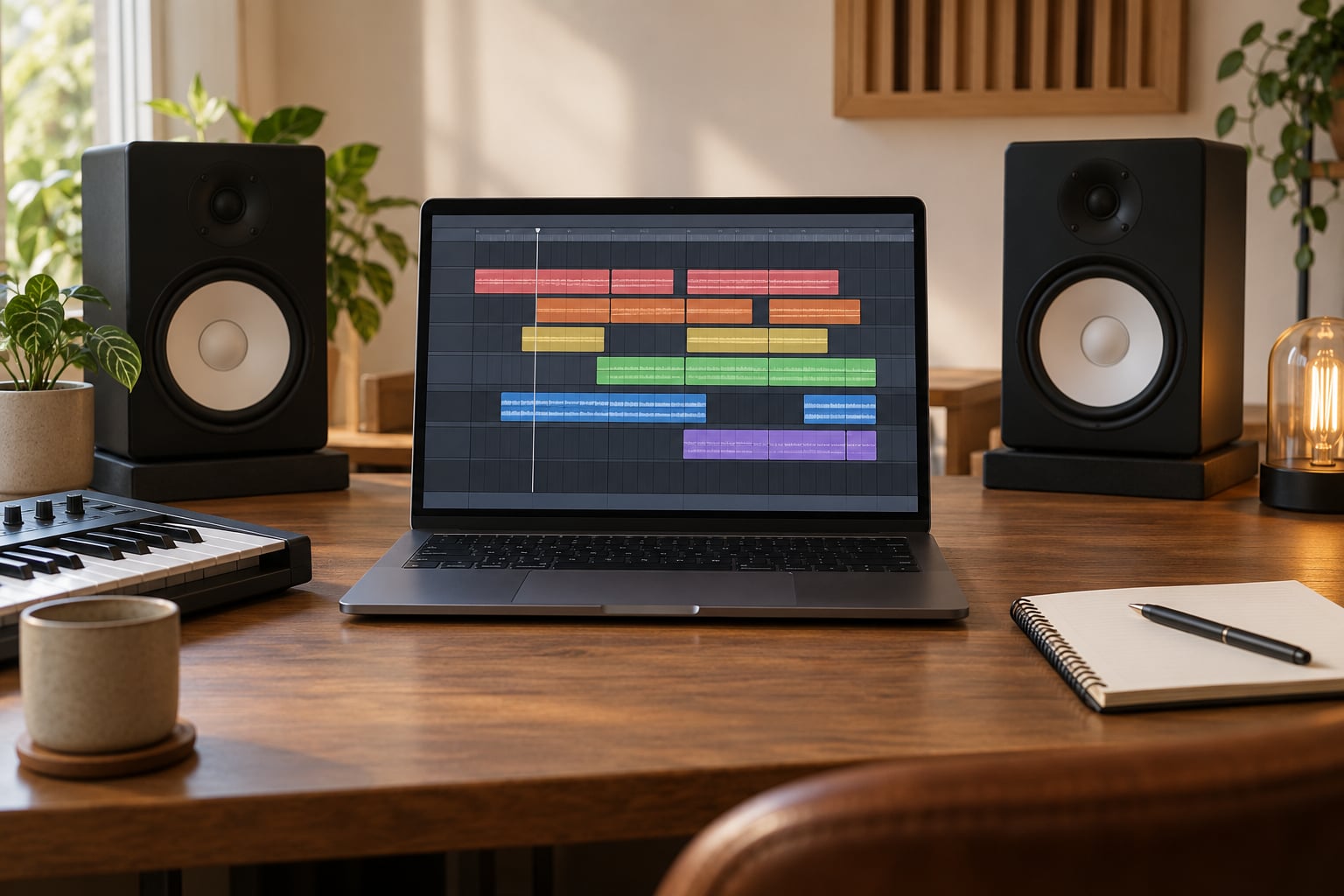
Mark every section boundary in your DAW with a colored label before you record. Beginners lose whole weekends because they cannot tell where verse two ended.
Write Each Section for Its Purpose
Give every section one job, and refuse to let it do two.
The hook repeats. It holds one clear idea, uses words a stranger would understand, and lands its last line on a beat you can clap along to. If you cannot say the hook after one listen, rewrite it, no matter how much you like the verse you wrote around it.
Verses carry detail and story. Each one should introduce something the previous verse did not — a new scene, a new argument, a new image. Two verses that describe the same night from the same angle is the most common waste of a verse.
The pre-hook is four bars of tension right before the hook. A repeated phrase, a half-sentence, a rising melody. It works because the listener is waiting for the payoff.
The bridge breaks the pattern on purpose. Drop the drums, shift the key, slow down, or change perspective entirely. Its job is to make the final hook feel like a return rather than a repeat.
Write the hook first if it is the hardest part for you. Plenty of rappers do, then write verses to serve it, and the record comes out tighter for it.
Set the Arrangement and Energy Changes
A structure that repeats the exact same eight bars of production four times is boring by the second hook, even if the lyrics are strong. Change something small in each pass.
Open up the stereo field on the second hook. Add a counter-melody. Pull the hi-hats out of verse one and bring them into the bridge. Drop the bass for two bars before the last hook so it hits harder when it returns. Most listeners will not consciously notice any of it, and they will feel the track building.
Silence is the cheapest tool you have. A full bar of nothing before a hook does more than another eight bars of the same drums.
Draft the Lyrics and Test the Flow
Write fast, wrong, and on top of the beat. Drafting away from the tempo is the single most common reason a verse feels cramped once you get to the booth.
Read it aloud and mark your breaths with a slash. Cut any line where you run out of air before the bar ends, and cut any line you would not say out loud. Then talk the flow at half speed with no beat playing, which shows you where the pockets are going to fall.
You will know the draft works when you can rap the whole thing once, roughly, without stopping. If you need three attempts to get through verse two, cut bars rather than speeding up.
Record, Edit, and Refine the Song
Record the hook three to five times, then the verses. You will be tempted to record in order, but the hook is your reference, so get it locked first and match the verses to its energy.
Leave a few extra bars of silence at both ends of every take. Editing a clip that has no breathing room at the edges is painful work, and you will do it ten times on this track.
Comping is just choosing the best parts of several takes. Cut the gaps tighter, nudge clips forward until they sit right on the beat grid, then run a light vocal clean-up pass. Finally, check the track in three places: your headphones, your phone speaker, and the car. If the hook disappears on a phone speaker, your low end is masking it.
Finish with a Strong Outro and Final Review
An outro is not the song running out of ideas. Give it four to eight bars and do one specific thing in it: a final repeated line, a last producer tag, a fade, or a spoken line that closes the story.
Then play the whole arrangement from the first bar to the last without touching anything. The things that jump out on that single pass are usually the real problems — a verse that drags, a transition that clips, a hook that feels tired by the third repeat.
Export a master, listen once on a different device, and stop. Overworking a finished track almost always makes it worse.
Common Mistakes
Copying a song’s structure note for note. If your reference track has three verses and a beat-swap, that is what worked for that song, not what your song needs. Take the shape, change the numbers.
Every section the same length. Variety in section length is what keeps a listener awake. An eight-bar verse followed by a sixteen-bar verse reads as intentional; two sixteen-bar verses back to back read as padding.
Overcrowding the beat. If you can hear every element clearly, the beat is probably too full for vocals. Pull elements out until the beat sits behind the words.
Writing without counting. Sixteen bars means sixteen, and going seventeen or fifteen throws off everything downstream. Use your DAW’s counter and save yourself the re-record.
Too many production ideas at once. Pick three elements for the beat, finish the song, then add to it. Building a track from twenty layers is how projects die unfinished.
Outlasting the hook. If a listener cannot hum your hook after one pass, no amount of clever verses will save the track. Go back to the hook and simplify it.
Frequently Asked Questions
How many verses should a rap song have?
Two verses with a hook after each is the standard for a modern rap single and lands around two to three minutes. A third verse works when you have a new idea to introduce rather than a rephrasing of verse one. Four or more usually belongs on an album, where listeners have already committed to you.
How long should a rap verse be?
Twelve to sixteen bars is the range most rappers work in. Twelve keeps the track moving and tight, while sixteen gives you room for a story with a setup. Bars are four beats each, so sixteen bars runs close to a minute at most trap and boom bap tempos. Cut a verse down if you run out of breath before the bar ends.
Should a rap song always have a pre-chorus?
No. A pre-chorus is a four-bar tension builder that leads into the hook, and it works best on melodic or mid-tempo records. On hard, aggressive trap the hook usually arrives with no warning and the tension comes from the beat instead. Try writing the song both ways and keep whichever version has the stronger first thirty seconds.
What BPM is best for rap?
There is no single best tempo, but there are ranges that suit delivery styles. Around 80 to 100 BPM fits bouncey, melodic flows, 130 to 150 BPM suits fast trap delivery with dense syllables, and 60 to 90 BPM suits slow, heavy records with lots of space. Test your hook at several tempos before committing, since your words should set the tempo rather than the other way around.
How do I make my rap flow sound better?
Flow comes from placing your syllables deliberately inside the drum pattern, not from speed. Talk the rhythm at half tempo with no beat playing, then add the beat and match the pockets. Mark your breaths, cut lines you cannot finish inside the bar, and practice over instrumentals you already know well so the count is second nature before you record anything.
How do I know when my rap song is finished?
The song is finished when a full pass from intro to outro gives you no moment you want to change, and you have already made your best available take. Keep a copy of the project, then stop. Coming back the next week with fresh ears almost always produces small tweaks that make the track worse rather than better.
Conclusion
Building a rap song structure comes down to three decisions: what the song is about, how long each section runs, and where the energy changes. Write the idea in one sentence, pick a beat with an obvious shift in it, drop the section labels into your DAW, and give every section one job. Then record the hook first, cut what does not work, and export.
Your first move is small: open your DAW tonight, drop in a beat, and lay down the intro-hook-verse-hook-verse-hook-outro template with real bar counts. That structure alone will take you further than another month of writing sixteen bars you never finish.