How to Use EQ on Vocals: Mixing Guide for Producers 2026
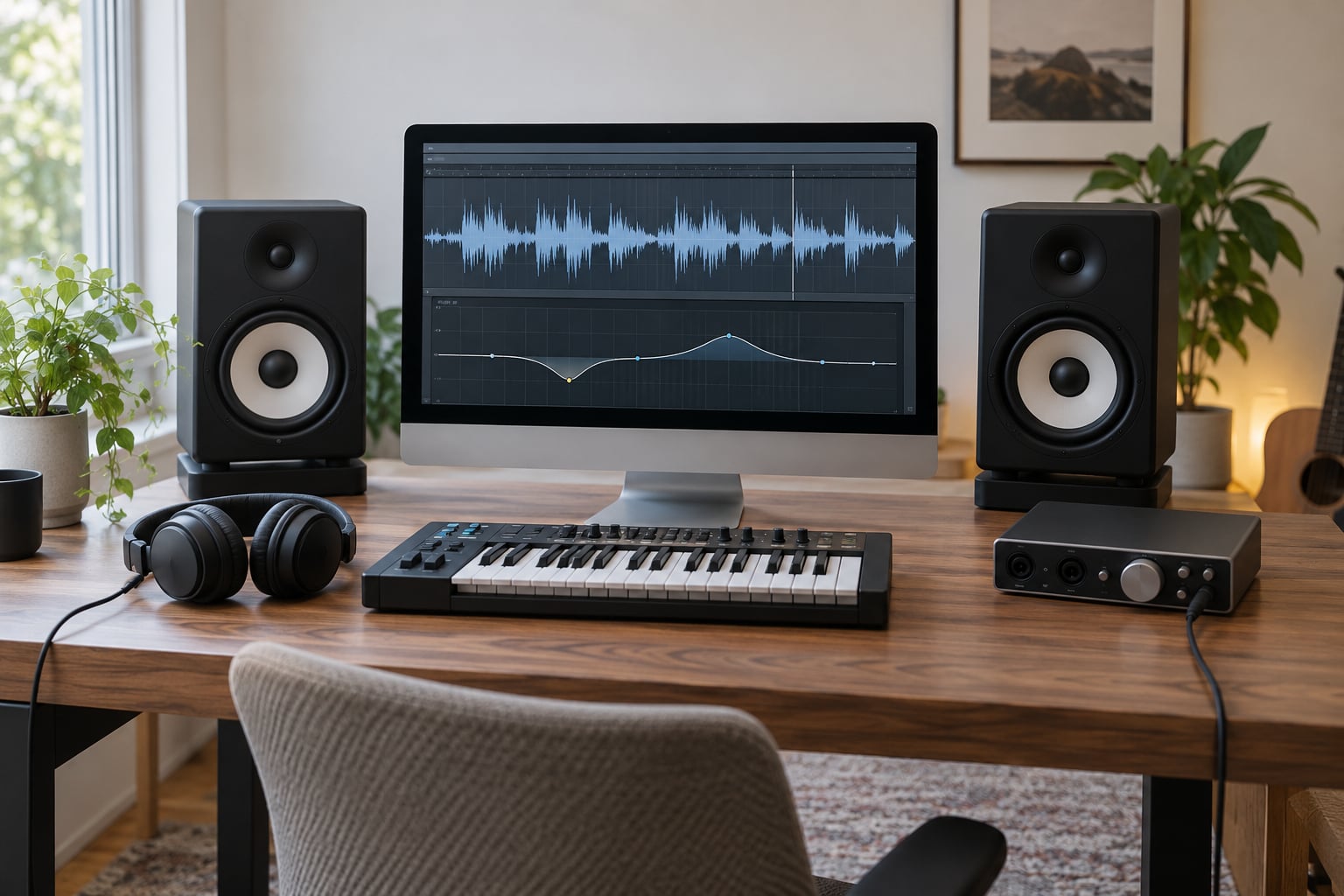
To EQ vocals, start with a high-pass filter around 80 to 120 Hz to clear rumble, cut the low-mid resonances that make a voice … Read more

To EQ vocals, start with a high-pass filter around 80 to 120 Hz to clear rumble, cut the low-mid resonances that make a voice … Read more
To use a limiter without killing dynamics, set the ceiling first, keep the attack slow so transients survive the clamp, dial the threshold until … Read more
If you’re asking what LUFS should you master to, the honest answer is that there is no single number to hit. For most streaming … Read more
A mastering engineer is the last person to touch your record before it goes out. They take your finished stereo mix, correct what does … Read more
Loudness normalization is how streaming services adjust a track’s overall level with a single gain change, up or down, so every song plays at … Read more
If you have ever wondered why does my mix sound bad in the car, the honest answer is short: a car is a small, … Read more
The difference between mixing and mastering comes down to what you are working on. Mixing takes your separate recorded tracks — drums, bass, guitars, … Read more
Learning how to work with a recording engineer comes down to three things: a defined goal for the song, materials that arrive finished, and … Read more
Communicating mix notes to an engineer well comes down to three things: one clear goal for the mix, every note anchored to a specific … Read more
A tracking session is the recording session where a song’s basic tracks get captured onto separate tracks, usually the rhythm section first, before any … Read more